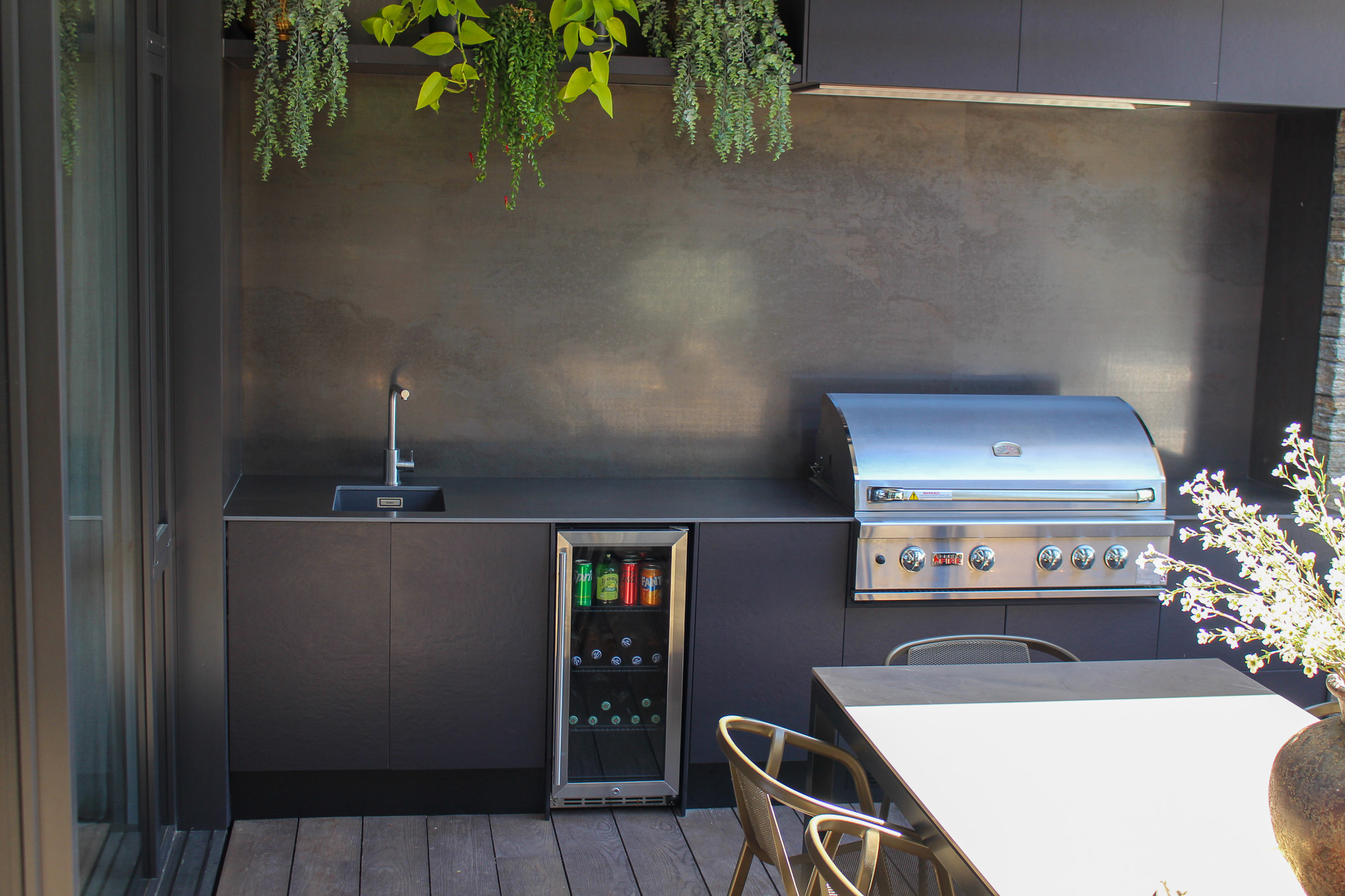
What Should You Consider When Designing an Outdoor Kitchen?
Let's be honest, as New Zealanders we practically live outdoors so its no suprise that cooking and eating outside is something we are natually drawn to do. Honestly, there's no better way to spend a Saturday than preping the BBQ for a casual gathering of fun food and laughter.ooking up a storm for a bunch of mates in the backyard. An outdoor kitchen takes all of that and makes it way more enjoyable.But before you start pulling out the Eftpos card, there's a bit of planning that goes a long way. Here's what to think about before you dive in.
Location
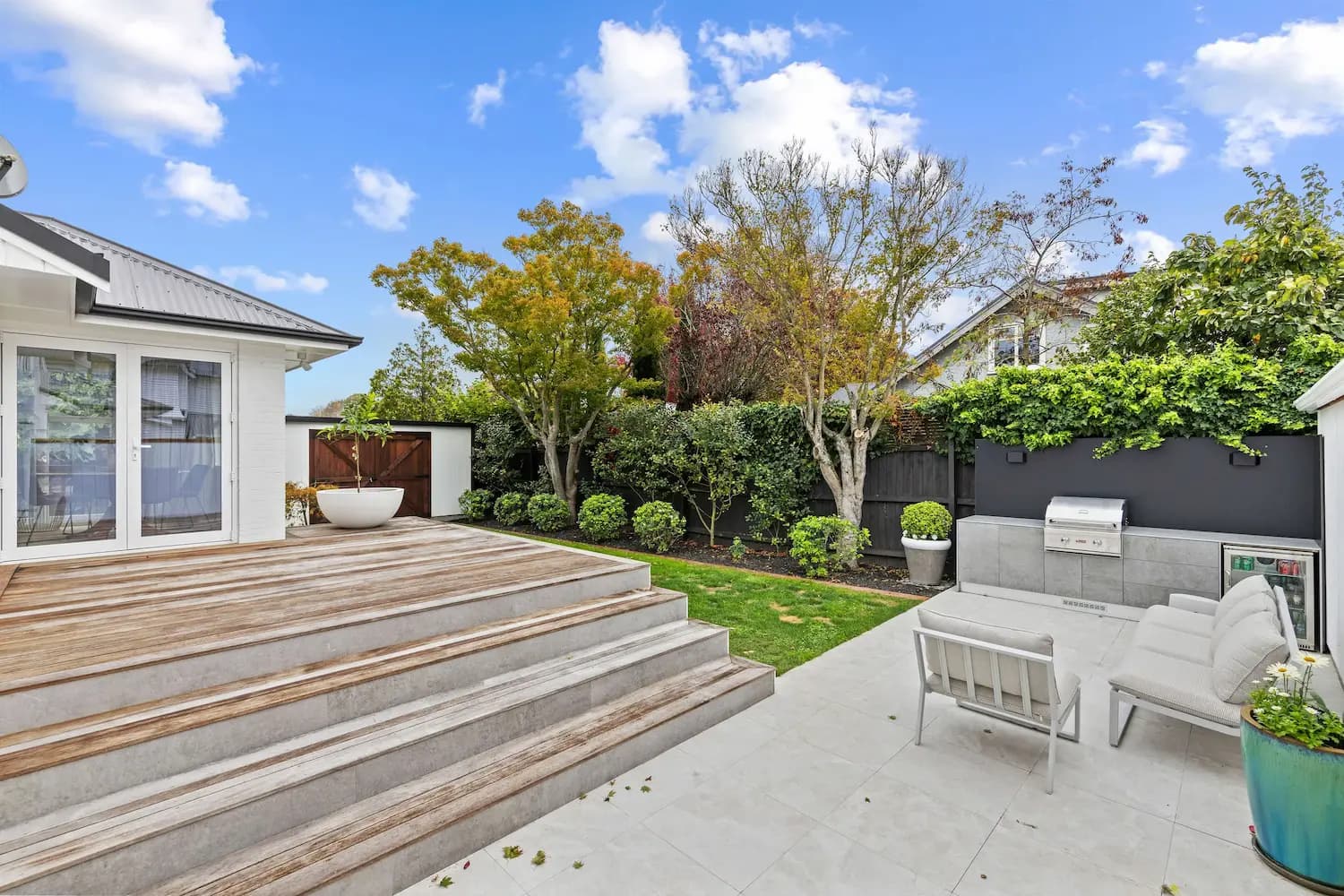
This one sounds obvious but it's easy to get wrong. A few things to think about. How far is it from your indoor kitchen? The closer, the better - less distance to run gas, water, and power lines, and fewer trips carrying stuff in and out. Which way does the wind blow? You don't want smoke drifting into where everyone's sitting, or back through the ranch slider into the house. Figure out your prevailing wind and point the grill away from it. Is there shade? A north- or west-facing spot in summer can get absolutely roasting in the afternoon. Think about where the sun is when you're most likely to be out there cooking. Does it feel connected? Your outdoor kitchen should flow naturally from the deck or patio - not feel like it's been plonked in the corner of the yard as an afterthought.
Weather
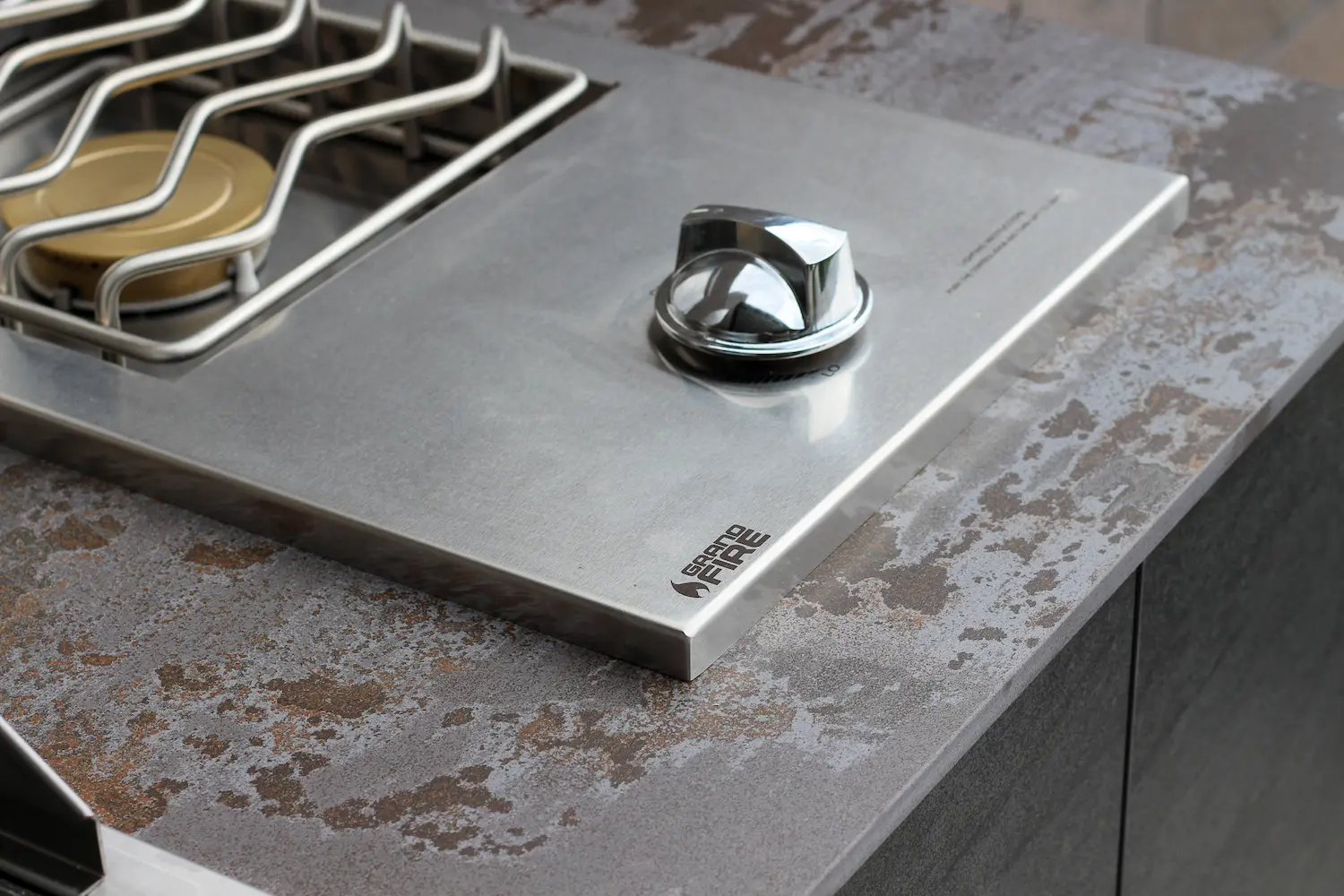
New Zealand's climate is pretty kind compared to a lot of places, but it's not nothing. You get UV, humidity, coastal salt air in a lot of regions, and the odd wild storm. Everything in your outdoor kitchen needs to handle all of that, year after year. Benchtops: Granite, concrete, and porcelain tile all hold up well. Stay away from anything that soaks up water or reacts badly to temperature changes. Cabinetry: Marine-grade polymer or powder-coated stainless steel are your best mates here. Timber can look stunning but it'll need regular maintenance - and if you're near the coast, it'll cop a hiding faster than you'd expect. Appliances: Make sure anything you're building in is actually rated for outdoor use. Chucking a standard indoor fridge outside is asking for trouble - it'll corrode, the warranty won't cover it, and you'll be replacing it sooner than you planned.If you're in a colder part of the country - think Central Otago or the Waikato in winter - also think about what needs to be covered or brought inside when it's not BBQ season.
BBQ
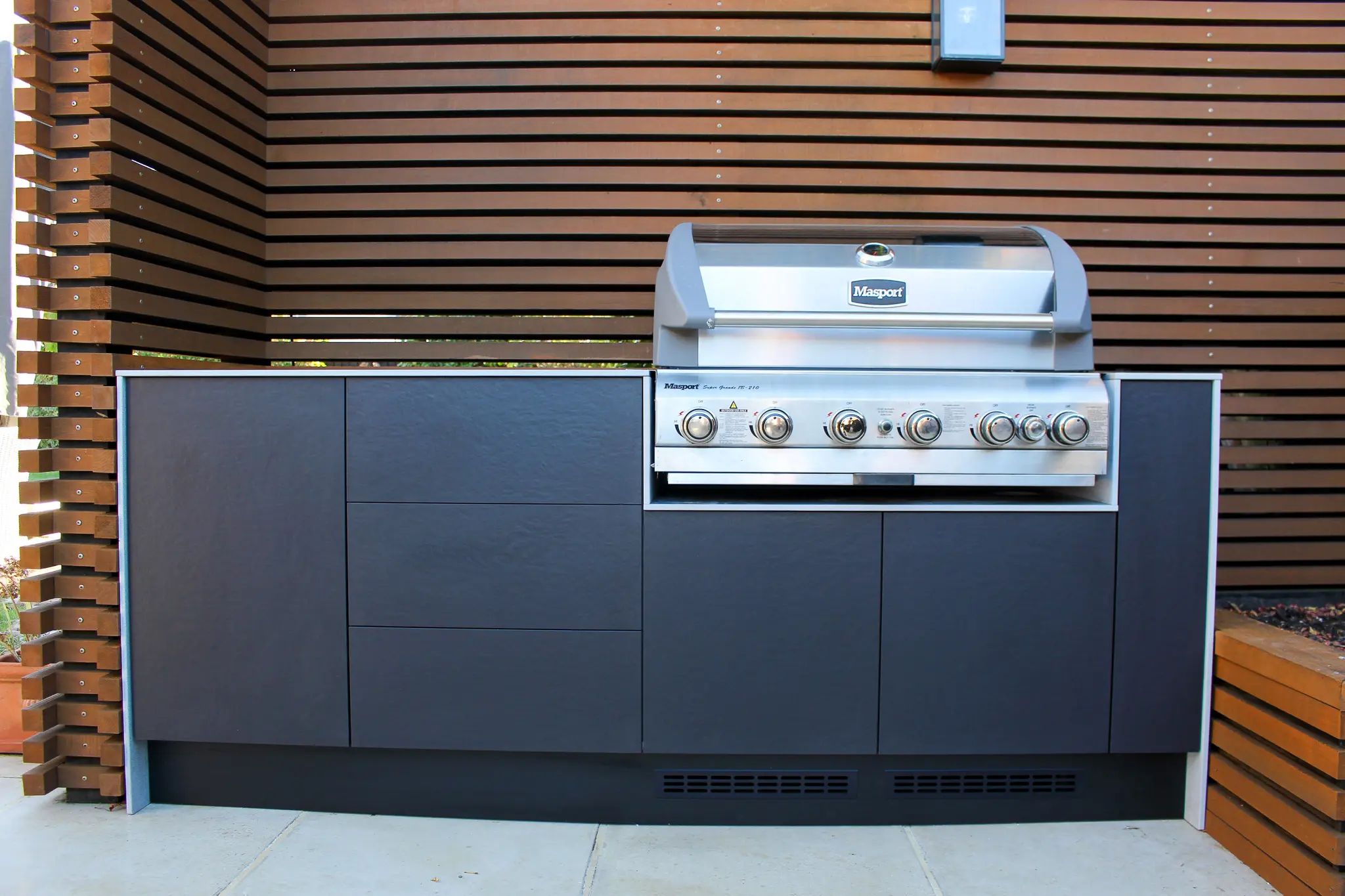
What Are You Actually Going to Cook? The BBQ is the star of the show, but you've got options. Think about how you actually cook and what would make your setup genuinely more useful - not just impressive on paper. Some stuff worth considering: Gas: Built-in gas or charcoal grill (the non-negotiable)Flat-top griddle - great for big breakfasts, smash burgers, seafood Pizza oven - wood-fired ones especially are an absolute crowd-pleaser. Smoker if you're into low-and-slow cooking. Side burners for boiling corn, making sauces, or doing a big pot of mussels
Outdoor fridge or chilly bin cabinet for drinks and ingredientsIce maker if you entertain a lot. Don't go overboard trying to spec every possible thing. Each appliance needs power, gas, or ventilation - and they all add cost. Pick the stuff you'll actually use, and leave space to add more down the track if you want.
Utilities
Sorting the Gas, Water, and Power This is the unglamorous stuff, but get it sorted early - ideally before you lock in your layout, because it affects where everything can go.
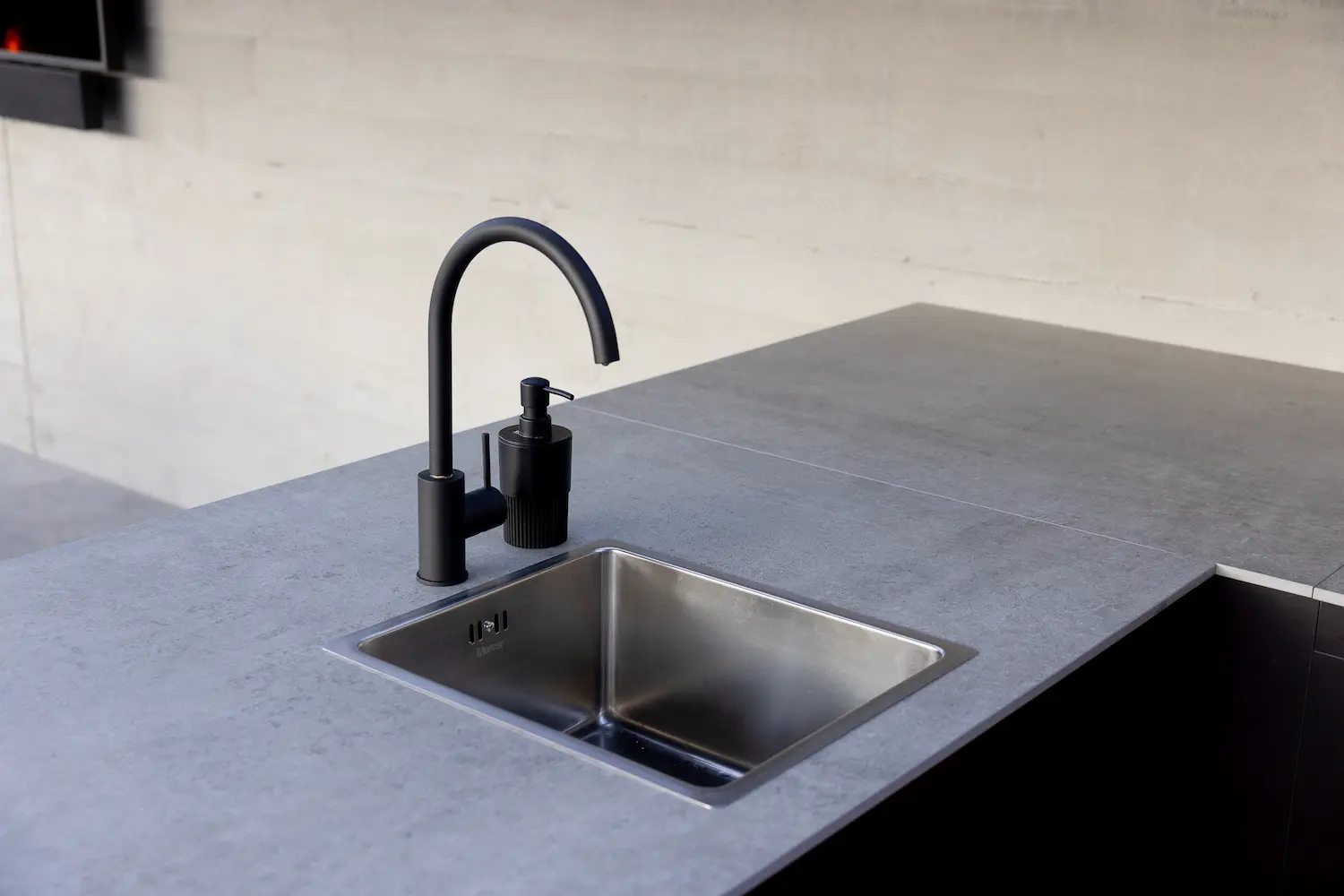
Gas: Most outdoor kitchens run on LPG or natural gas. Natural gas is convenient but you'll need a gasfitter to run a supply line. LPG gives you more flexibility but means keeping a tank somewhere nearby and getting it refilled. Either way, make sure there's a shutoff valve you can get to easily. Water: A sink is a genuine game-changer. You'll need a supply line and somewhere for the water to drain - either back into your home's drainage or into a soakage area. Worth getting a plumber to look at it early in the process.
Power: You'll need a proper outdoor circuit for the fridge, lighting, and anything else that plugs in. All outdoor outlets need to be weatherproof and on RCD (residual current device) protection — that's just standard in NZ. Get a registered electrician to do this; don't try to piggyback off an existing garden socket.
Ventilation
Ventilation and Keeping Things Safe Just because you're cooking outside doesn't mean you can forget about ventilation especially if your outdoor kitchen is under a pergola or pretty close to the house. Open-air setups are generally fine, but position your grill so smoke goes away from where people are sitting. If you've got a roof over the top, you'll need a proper outdoor rangehood the standard indoor kind won't cut it outside. Check the clearance requirements for gas appliances around combustible materials too. Your manufacturer specs will have the details, and your local council may have rules around this as well. It's worth checking before you build, not after. And keep a fire extinguisher handy one rated for grease fires. Hopefully you never need it, but you'll be glad it's there.
Flooring
Decking and FlooringWhatever's under your feet needs to handle wet conditions, the odd dropped grease bomb, and regular foot traffic without becoming a slip hazard.Good picks: Porcelain pavers - tough as nails, easy to clean, look great. Concrete - solid option, can be finished in heaps of different ways. Natural stone - beautiful but needs sealing and can get slippery when wet, so choose a textured finish. Composite decking - comfortable underfoot but double-check how it handles heat if it's going right next to the grillAvoid bare untreated timber directly around the cooking area, and make sure everything drains away from the structure so water doesn't pool.
Storage
You can never have too much bench space. Seriously. Plan for at least 60cm either side of the grill for prep and plating more if you can swing it. For storage, outdoor-rated cabinets with solid door seals keep everything dry and protected from bugs and pests. Drawers are way more practical than doors for stuff you grab constantly. Think about where you'll keep tongs, cleaning supplies, condiments, and everything else you always seem to need mid-cook. A raised bar section along the front of the kitchen is one of the best things you can add it gives people somewhere to perch with a drink without crowding the cook, and it makes the whole setup feel much more social.
Lighting
Summer evenings in New Zealand are long and lovely, and good outdoor lighting means you can make the most of them well into the night.You want a few layers: Task lighting over your prep and cooking areas LED strips under the overhead or a couple of downlights pointed at the benchtop Ambient lighting for the surrounding area festoon lights, garden lighting, whatever suits the vibe Safety lighting on any steps or changes in levelEverything needs to be rated for outdoor use. IP65 or higher is the one to look for. Smart lighting or dimmers are a nice touch if you want to shift the mood from "cooking" to "hanging out."
Seating
Where Does Everyone Sit? Think about how your guests will naturally move around the space and where they'll end up. Bar stools along the kitchen counter keep people in the conversation while you're cooking. A separate dining table works well for a sit-down meal. And a lounge area nearby gives people somewhere to land before and after eating. Leave good clear pathways at least 900mm for people to move through comfortably. You don't want guests squeezing past the cook every time they want to grab a drink.
Budget
Budget and Building in Stages Outdoor kitchens can range from pretty reasonable to genuinely eye-watering, depending on what you're after. A solid basic setup with a built-in grill and some bench space can be done affordably, while a full outdoor entertainer's setup with appliances, roofing, and custom stonework is a very different conversation.The biggest cost drivers tend to be running new utility lines, high-spec appliances and materials, covered structures like pergolas, and custom masonry work. One of the smartest approaches is to design the whole thing upfront but build it in stages. Get the utilities and structure done first, then add appliances and finishes as budget allows. It's much cheaper than retrofitting things later, and it means you're not putting the project on hold indefinitely just because you can't do it all at once.
The Goal
A great outdoor kitchen is really just about making it easier and more enjoyable to do what New Zealanders already love doing cooking good food, being outside, and having people over. Get the planning right, use materials that'll actually last, and design it around how you actually live. The rest is just details.If you're not sure where to start, grab a few quotes from local landscapers or outdoor kitchen specialists. Most will do a free consultation, and having a pro walk the space with you early on saves a lot of headaches later.